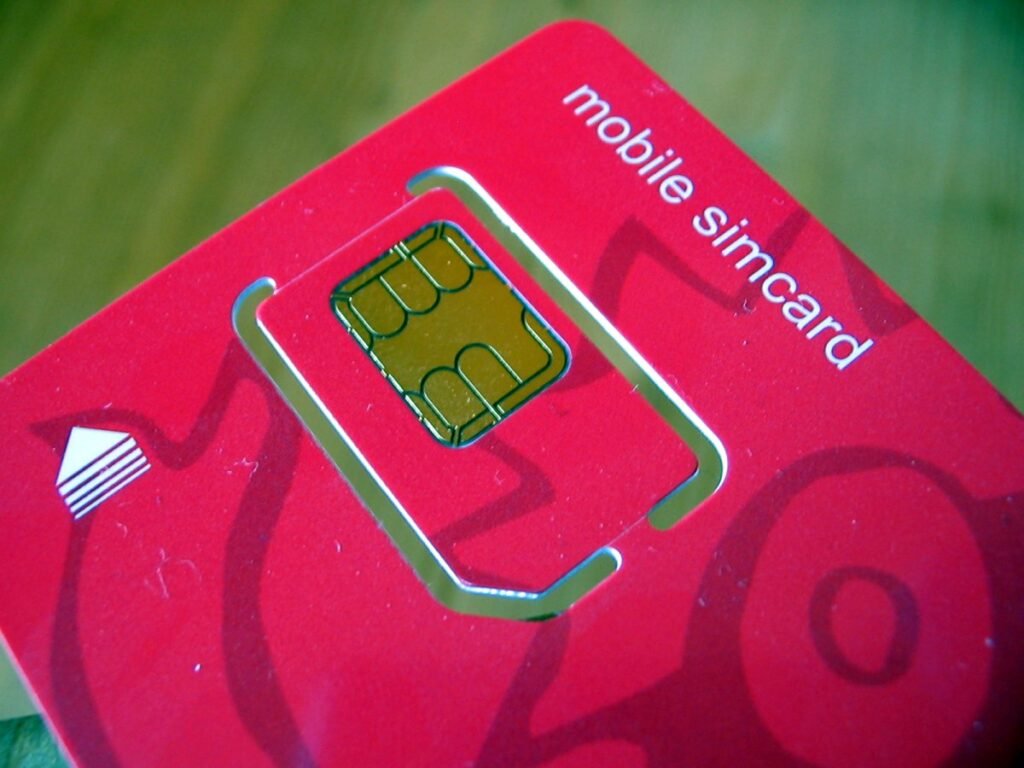
A while back I was helping a friend set up a de-Googled phone, and we got to the part where you actually need a SIM card in it. Simple enough, right? Except I realized I couldn’t recommend anything. Not “here’s the privacy-friendly option” or “here’s the cheap prepaid one for light use.” There was just A1, Vivacom, or Yettel. Pick one.
That stuck with me, because in most of the EU that’s not how it works. Open a mobile plan comparison site in Germany, France, or the UK and you’ll find dozens of brands. Some run their own towers. Most don’t; they lease capacity from a network owner and compete on price, data allowances, or a specific niche like privacy, prepaid flexibility, or family plans. These resellers are called MVNOs: Mobile Virtual Network Operators.
Try the same search in Bulgaria and you’ll hit a wall. Three names, over and over: A1, Vivacom, Yettel. That’s it. There is currently no functioning MVNO market in the country. Every SIM card you can buy here ultimately runs on infrastructure owned and priced by one of those three companies.
Three towers, one market
Bulgaria’s telecom sector is a textbook oligopoly, and the numbers back that up more bluntly than I expected when I went digging. According to the Communications Regulation Commission’s latest annual report, the market grew to 2.16 billion euro in 2025, nearly 5% more than the year before, and it’s still split almost entirely three ways. By subscriber count, A1 leads with 35.9% of the market, having lost some ground over the year, while Vivacom holds 33.1% and Yettel trails at 31%. All three posted record revenues: A1 reported €895.1 million, Vivacom €776 million, and Yettel €557 million last year alone.
So this isn’t a broken market in the “nobody’s making money” sense. It’s a mature, profitable one. What it’s missing is a fourth option. Independent trackers of European SIM markets are blunt about it too: there aren’t any MVNOs in Bulgaria at all.
Why this matters beyond price
Everyone’s first instinct when they hear “no MVNOs” is to think about price, and sure, more resellers usually means cheaper plans. But that’s not actually the part that bugs me. The deeper issue is that when three companies own 100% of the physical network layer, they also own 100% of:
- Data retention practices: how long your call records, location pings, and metadata are kept, and who they’re shared with.
- Lawful intercept infrastructure: the technical capability to hand data to authorities, built directly into networks with no independent operator layer to add friction or transparency.
- KYC and registration policy: Bulgarian law already requires ID or passport registration for any SIM card, capped at ten SIM cards per person since 2016. With only three gatekeepers, there’s no alternative registration model, no prepaid anonymous tier, nothing.
- Pricing power on data plans: without resellers undercutting on niche use cases (IoT, low-data users, privacy-focused plans), there’s no competitive pressure to offer anything other than what the big three decide to sell.
In markets with an active MVNO scene, a privacy-focused reseller can build a whole business around minimal data retention or anonymous prepaid options, because they’re renting capacity, not deciding infrastructure policy. Here, that door just doesn’t exist. There’s no vendor to build that business, because there’s no wholesale access being sold to build it on.
The regulatory question nobody’s asking loudly enough
Here’s the part that actually annoys me. The EU’s telecom framework, the European Electronic Communications Code (EECC), gives national regulators the tools to mandate wholesale access when a market shows this kind of concentration, forcing incumbents to lease network capacity to third parties at regulated rates. Several other EU states used exactly this lever to get their first MVNOs off the ground. Bulgaria’s regulator has the same authority. It just hasn’t used it.
If this is the first time you’ve heard the phrase “there are no MVNOs in Bulgaria,” sit with that for a second. It’s not a natural law of the market. It’s a policy gap. And policy gaps, unlike physics, can actually be closed.