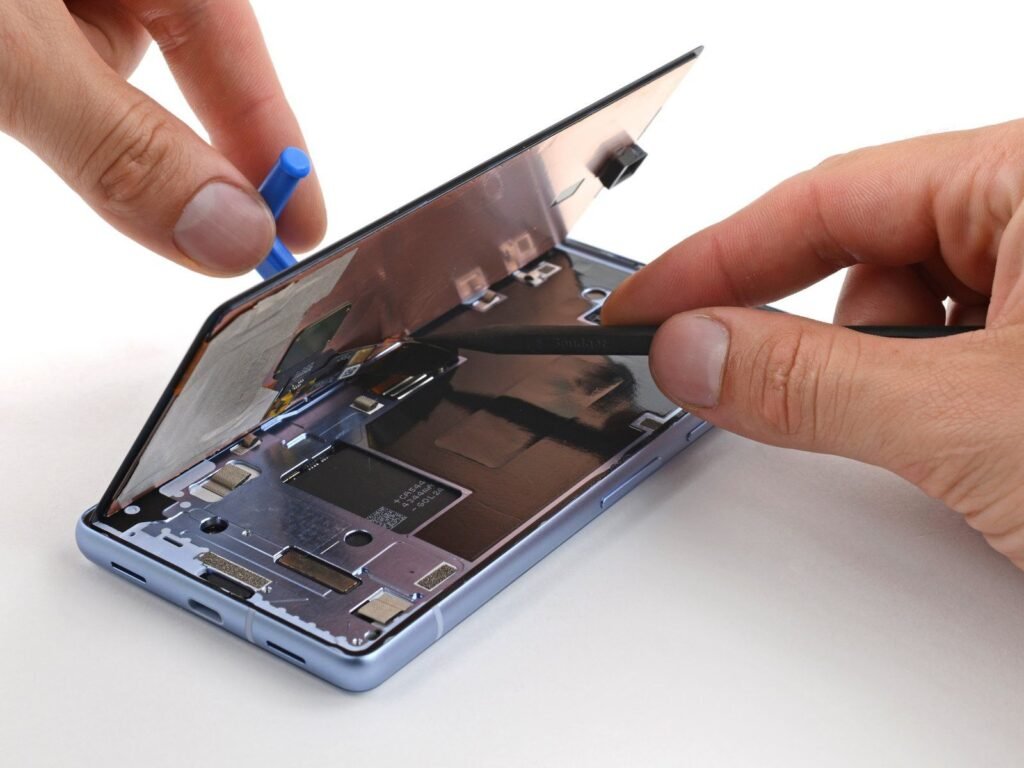
I wrote to an MEP a while back about bootloader unlocking, half expecting a form-letter reply about how phones are complicated and thanks for writing in. What I got instead was a good reminder of how much confusion there still is, even among people who make the rules, about what’s actually happening with device locking and what the EU has and hasn’t done about it. So with the Right to Repair deadline landing this month, it felt like the right time to untangle this properly.
Here’s the timeline that matters right now. The Directive on Common Rules Promoting the Repair of Goods passed the European Parliament in April 2024 with 584 votes in favour and 3 against, entered into force that July, and member states have until July 31, 2026 to transpose it into national law. That’s in a few weeks. It’s a real deadline with real obligations behind it.
What the directive actually does
The rules are broader than phones. They cover mobile phones, tablets, washing machines, refrigerators, vacuum cleaners, electronic displays, and servers. The core obligations: manufacturers have to repair products at reasonable prices and within a reasonable time frame, even outside the warranty period. They have to supply spare parts and repair tools to independent shops and to consumers directly, not just their own authorized network. For smartphones and tablets specifically, that means 15 categories of spare parts available to professional repairers within 5 to 10 working days, for seven years after a model gets discontinued. Five of those part types, including batteries, displays, and back covers, have to be available to regular consumers too. Choose repair over replacement during the warranty window and your guarantee gets extended by another 12 months.
It also bans “contractual clauses, hardware, or software techniques that impede repair” unless there’s a legitimate technical reason. That line is the one that gets people excited, because it sounds like it should cover parts pairing, serialized components, and locked bootloaders. It mostly covers the first two.
Where the bootloader confusion comes from
Last August, a genuinely bad rumor went around that a separate EU rule, the Radio Equipment Directive, would force Android makers to kill bootloader unlocking starting August 1, 2025. Some manufacturers had already started locking things down around then, and a few pointed at “EU compliance” as the reason. It got repeated enough that it started sounding like settled fact.
It isn’t. The actual text, Article 3(3)(i) of the Radio Equipment Directive, requires that software loaded onto radio equipment be verified for compliance with radio regulations. That’s about stopping software that messes with radio frequencies or network behavior, not about locking down the whole operating system. The directive even has a recital that says this verification requirement shouldn’t be used to block software from independent developers. Community read-throughs of the actual legal text came to the same conclusion as journalists digging into it afterward: nothing in the regulation mandates a locked bootloader. Manufacturers who locked things down did so as a business decision and used the regulation as convenient cover.
Fairphone is a decent real-world proof of this. Their phones keep the bootloader unlockable while staying fully compliant, because they isolate the radio frequency firmware into its own protected, signed section, completely separate from the rest of the OS. The Android system itself, including custom ROMs like GrapheneOS or CalyxOS or LineageOS, doesn’t touch that section and doesn’t need to. Compliance and an open bootloader aren’t in conflict. The regulation was never the obstacle.
So what’s actually missing
This is where it gets frustrating. The Right to Repair directive is a genuinely good piece of legislation, and it’s going to make batteries and screens easier and cheaper to fix across the whole EU starting this month. But “software techniques that impede repair” as currently interpreted is mostly aimed at parts pairing (a part refusing to work because it wasn’t paired with the specific device by the manufacturer), not at the separate question of who’s allowed to install what software on hardware they already own.
Bootloader unlocking sits in a gap between two frameworks that don’t quite reach it. Right to Repair is about physical parts and repair services. Radio Equipment Directive is about radio compliance. Neither one, as written, guarantees you the right to install an operating system of your choosing on a phone you own. Some manufacturers grant that right voluntarily (Fairphone, some Xiaomi and Sony models with published unlock procedures). Most don’t, and there’s currently no EU-wide rule requiring them to.
If you want the actual pattern to watch: this is precisely the kind of gap that gets closed only when regulators are told, repeatedly and specifically, that it exists. The Right to Repair directive itself took years of advocacy from groups like iFixit’s European arm before it became binding law. The bootloader question hasn’t had that same sustained pressure yet, partly because most of the public conversation about it got sidetracked into a rumor about a rule that didn’t actually say what people thought it said.
Worth writing to your MEP about, if you’re the letter-writing type. I am, apparently.